
A single gas detector is designed to monitor one selected gas or atmospheric parameter, while a multi gas detector can monitor several gases at the same time. The right choice depends on the real hazards at the workplace—not simply on how many sensors an instrument can contain.
If workers face one clearly identified gas hazard, a single gas detector can provide focused, simple personal monitoring. If several hazards may exist together, or the atmosphere can change during the job, a multi gas detector may provide more appropriate coverage.
This guide explains the differences between single gas and multi gas detectors, where each type is commonly used, what a 4-gas detector measures, how sampling methods affect selection, and how to choose the right detector for an industrial application.
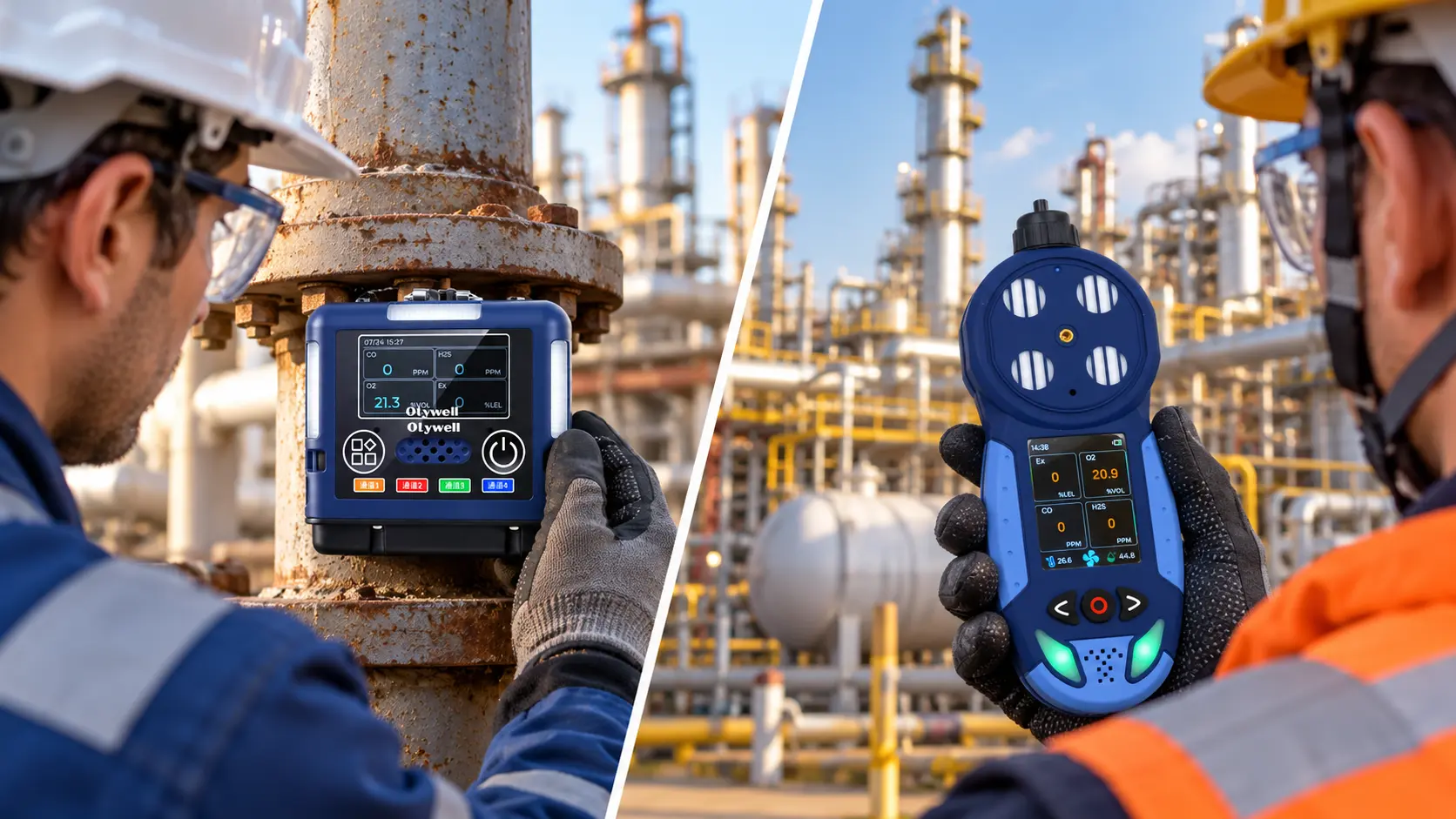
What Is a Single Gas Detector?
A single gas detector is configured to monitor one target gas or one atmospheric condition. Depending on the installed sensor, it may be used for gases such as hydrogen sulfide, carbon monoxide, ammonia, chlorine, sulfur dioxide, oxygen or a combustible gas.
The main advantage is focus. When the workplace hazard is clearly defined, the detector can be selected specifically for that gas, concentration range and working environment.
Single gas detectors are commonly used for personal monitoring, routine inspections and work areas where one particular hazard is known to be the primary concern.
Typical Single Gas Detector Applications
- H2S personal monitoring in oil and gas operations
- CO monitoring around combustion equipment
- NH3 monitoring in industrial refrigeration areas
- Oxygen monitoring in selected industrial environments
- Chlorine monitoring in water treatment applications
- Targeted gas checks during maintenance or inspection
A single gas detector should only be used when the hazard assessment confirms that monitoring one selected gas is appropriate. It will not warn the user about gases for which no compatible sensor is installed.
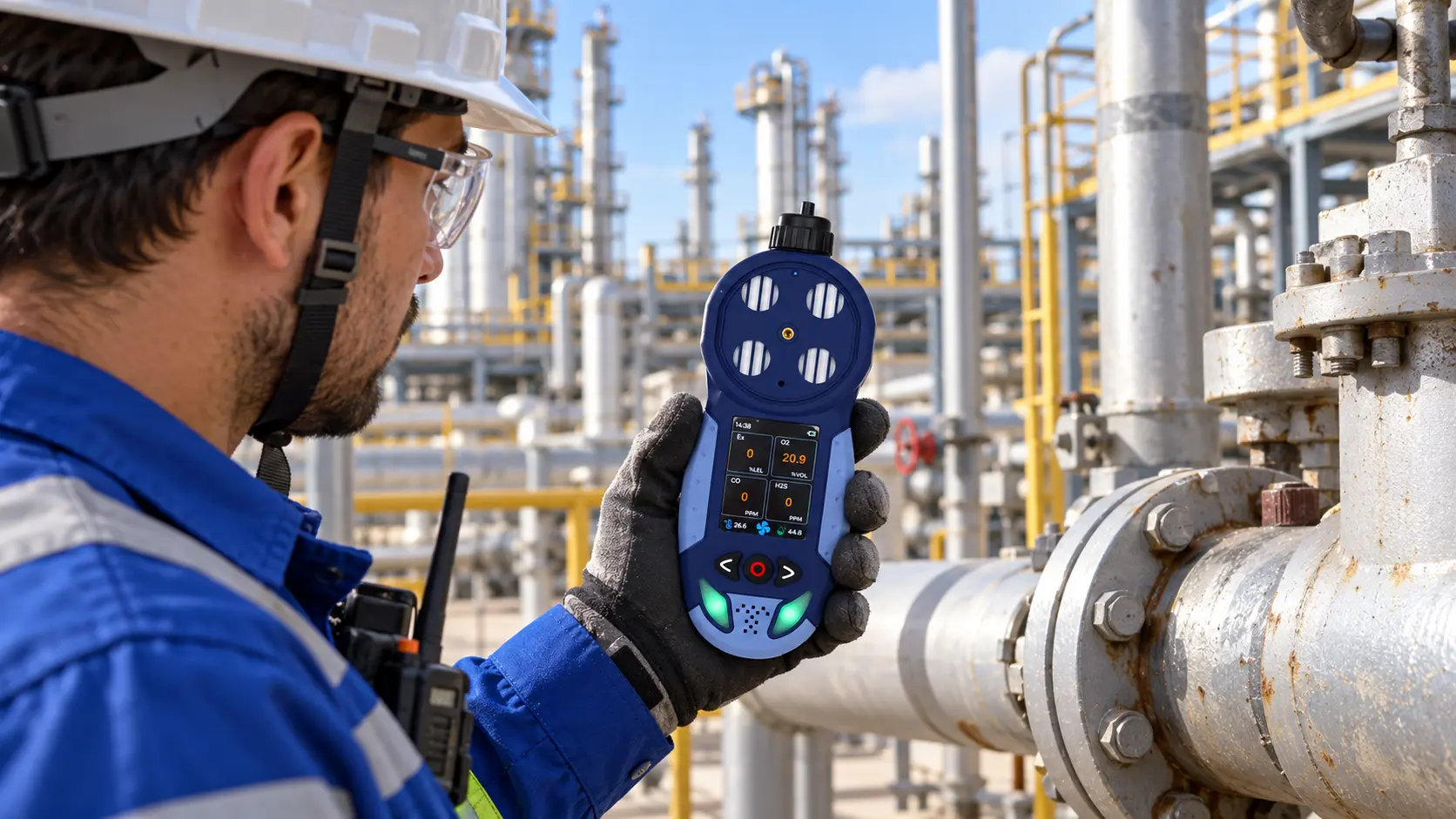
What Is a Multi Gas Detector?
A multi gas detector combines several sensing channels in one portable instrument so that multiple atmospheric hazards can be monitored at the same time.
Multi gas detectors are commonly used where oxygen conditions, combustible gases and toxic gases may all need to be evaluated during the same job.
They are especially useful in environments where hazards can change as workers move between locations, open equipment, enter enclosed areas or perform maintenance on different process systems.
Typical Multi Gas Detector Applications
- Confined-space entry and pre-entry testing
- Oil and gas maintenance work
- Petrochemical plant inspections
- Tank and vessel entry
- Emergency response
- Utility and underground work
- Industrial locations with several possible gas hazards
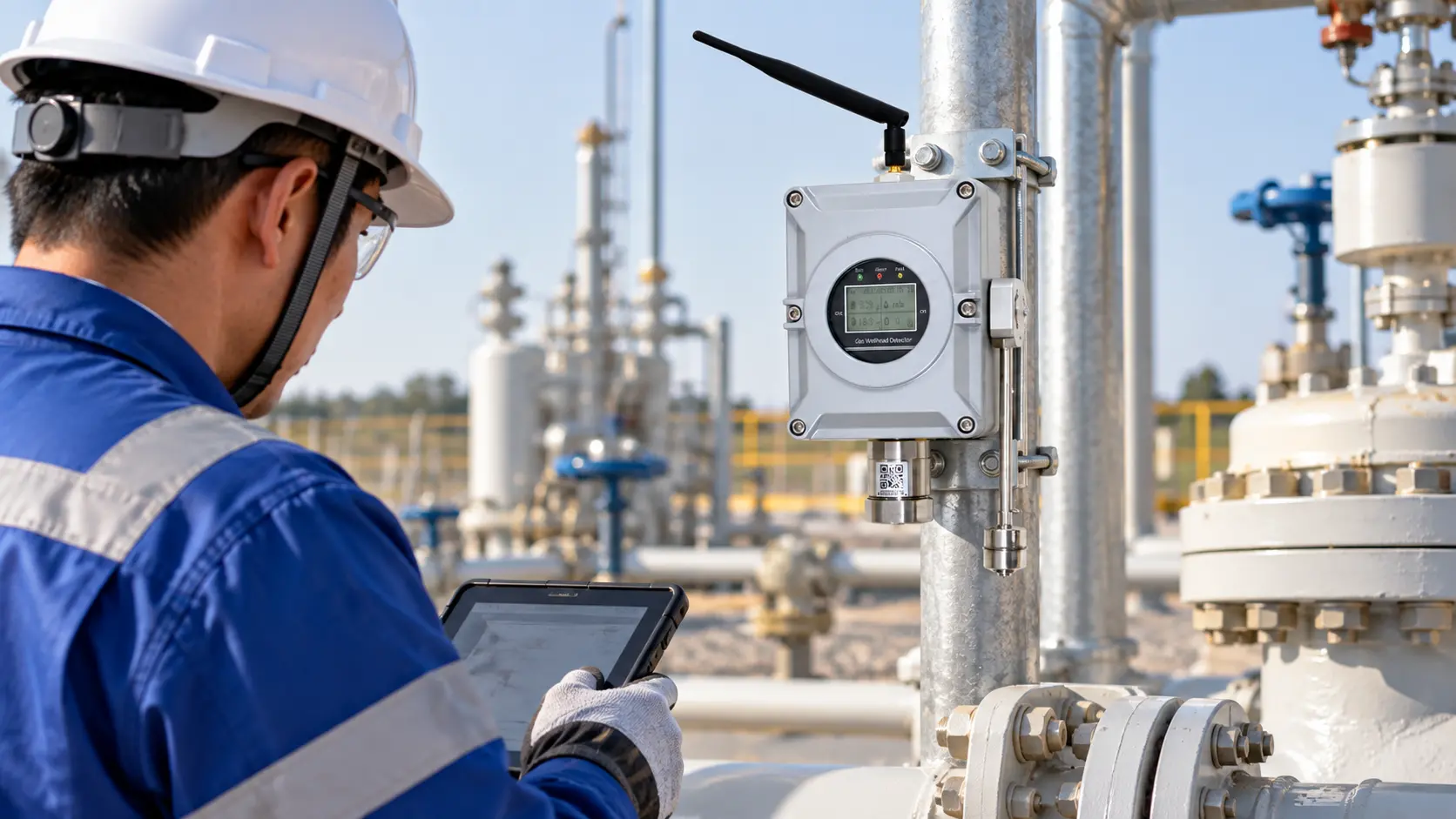
Single Gas vs Multi Gas Detector: Key Differences
| Comparison | Single Gas Detector | Multi Gas Detector |
|---|---|---|
| Number of gases | One selected gas or atmospheric parameter | Several selected gases or parameters |
| Best suited for | Known, clearly defined single hazard | Multiple or changing atmospheric hazards |
| Typical use | Personal monitoring and targeted inspection | Confined spaces, maintenance and multi-hazard work |
| Display | Focused on one main gas reading | Displays several gas readings |
| Sensor configuration | One primary sensing channel | Multiple sensing channels |
| Maintenance planning | Generally simpler | More sensors must be checked and maintained |
| Instrument complexity | Typically simpler | Typically more configurable |
| Selection priority | One confirmed gas hazard | Several confirmed or possible hazards |
When Is a Single Gas Detector the Better Choice?
A single gas detector can be the better solution when the workplace hazard is known, stable and limited to one gas that must be monitored continuously or frequently.
One Known Gas Hazard
If an assessment identifies one primary gas hazard, there may be little value in adding unrelated sensors that are not needed for the job.
For example, a worker whose main exposure concern is hydrogen sulfide may need continuous H2S monitoring throughout the work shift. In another facility, carbon monoxide may be the primary concern around combustion equipment.
Long-Term Personal Monitoring
Single gas detectors can be useful when workers perform similar tasks every day and encounter the same known gas risk.
A compact detector can remain with the worker and provide a local warning when the measured concentration reaches the configured alarm level.
Targeted Inspection Work
A technician may need to check a specific area for one known gas during a routine inspection. In this situation, a single gas detector can provide a direct measurement without unnecessary sensor channels.
Simpler Maintenance Planning
Because a single gas detector contains one primary gas measurement channel, calibration and sensor management are usually more straightforward than managing several different sensors in the same instrument.
Related Otywell Gas Detection Products
Otywell provides portable gas detectors for both single-gas and multi-gas monitoring. The final detector and sensor configuration should always be selected according to the target gas, measurement range, sampling method and actual working environment.
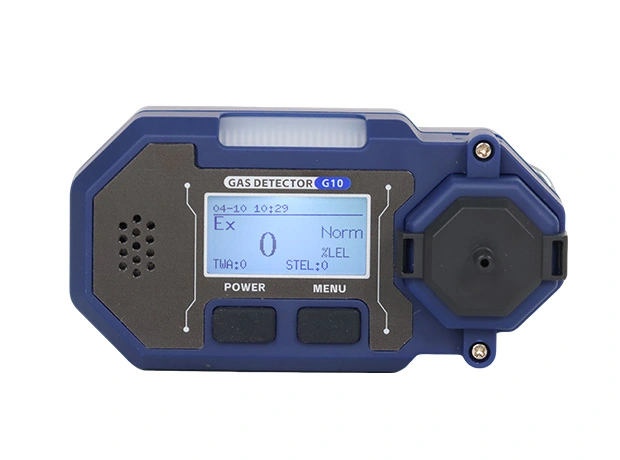
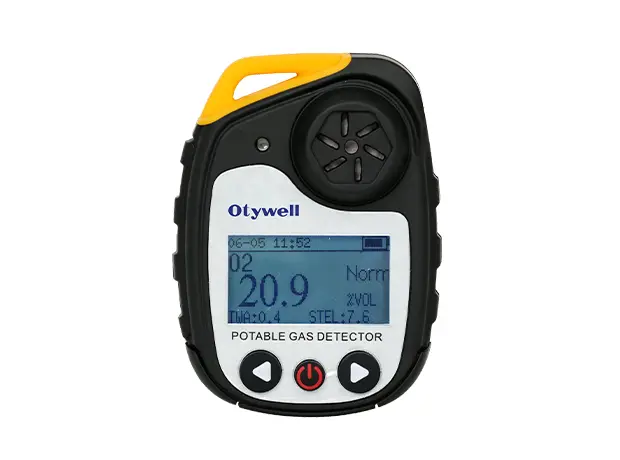
G10 Gas DetectorThe G10 is a compact personal gas detector configured according to the selected target gas and measurement range. It provides local sound, light and vibration alarms for personal monitoring applications. |
G10S Portable Gas DetectorThe G10S uses natural-diffusion sampling and can be configured for a selected combustible, oxygen or toxic gas according to the application. |
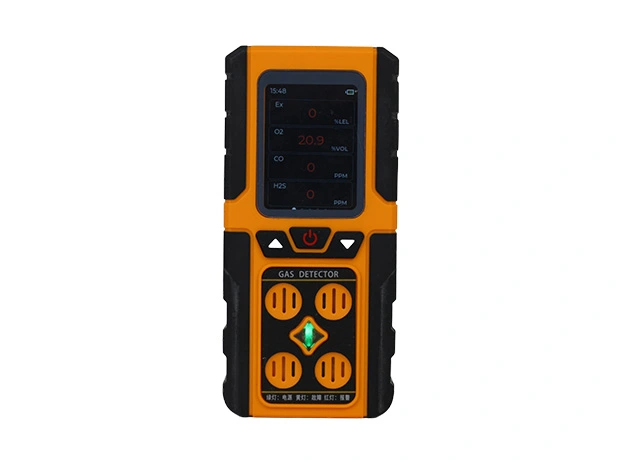
G40S Multi-Gas DetectorThe G40S is designed for portable monitoring of 1–5 selected gases. Common options include combustible gas or LEL, oxygen, carbon monoxide and hydrogen sulfide. |
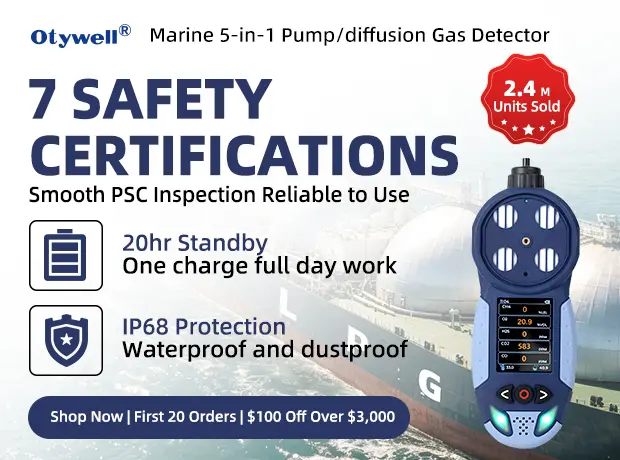
OT135S Multi-Gas DetectorThe OT135S can be configured for 1–4 target gases and is available with pump-suction or natural-diffusion sampling depending on the application. |
When Is a Multi Gas Detector the Better Choice?
A multi gas detector is generally more appropriate when workers may encounter several atmospheric hazards during the same task.
Multiple Gas Hazards
Many industrial environments do not contain just one possible hazard. A process area may present combustible gas, oxygen deficiency and toxic gas risks at the same time.
Using a multi gas detector allows several selected atmospheric conditions to be monitored from one instrument.
Confined-Space Entry
Confined spaces require particular attention because atmospheric conditions can change quickly and several hazards may coexist.
Under U.S. general-industry requirements, atmospheric testing for permit-required confined spaces includes oxygen content, flammable gases and vapors, and potential toxic air contaminants. The detailed requirements are available in OSHA 29 CFR 1910.146.
A multi gas detector is commonly used for this type of work because several parameters can be checked during pre-entry testing and ongoing monitoring.
Changing Work Environments
Maintenance workers may move from one process area to another during the same shift. The atmospheric risks around a tank, pump, pipeline, compressor or enclosed room may not be identical.
A properly configured multi gas detector can provide broader monitoring when the worker’s environment changes throughout the job.
Emergency Response
Emergency teams may need to assess an atmosphere before all hazards are fully understood. A multi gas detector can provide information about several selected gases and atmospheric conditions at the same time.
What Is a 4-Gas Detector?
A 4-gas detector is a multi gas monitor configured to measure four gases or atmospheric parameters simultaneously.
One common industrial configuration includes:
- O2: monitors oxygen deficiency or enrichment.
- LEL: indicates the concentration of combustible gas relative to the lower explosive limit.
- CO: monitors carbon monoxide.
- H2S: monitors hydrogen sulfide.
This combination is widely used because these hazards can occur in many industrial and confined-space environments.
However, a 4-gas configuration is not automatically the correct choice for every workplace. A chemical facility may need chlorine or ammonia monitoring, while another site may require carbon dioxide, sulfur dioxide, VOC or other gas measurement.
The detector configuration should always follow the actual hazard assessment.
Does More Sensors Mean Better Safety?
No. More sensors do not automatically mean better safety.
A detector is effective only when the installed sensors correspond to the gases that may actually be present.
Effective gas monitoring depends on several factors:
- Correct target gas selection
- Suitable measurement range
- Compatible sensor technology
- Appropriate sampling method
- Correct alarm settings
- Proper calibration and maintenance
- Correct use by trained personnel
Diffusion vs Pump Sampling
Another important factor when choosing a portable gas detector is how the air sample reaches the sensors.
Diffusion Gas Detection
With natural diffusion, gas from the surrounding atmosphere reaches the sensor through the detector’s openings.
This method is commonly used for personal monitoring because the detector measures the air around the worker as the person moves through the workplace.
Pump-Suction Gas Detection
A pump-suction detector actively draws air into the instrument through a sampling inlet.
This can be useful when an atmosphere must be checked from a distance, such as before entering a tank, pit, vessel, manhole or other restricted location.
Calibration and Maintenance Differences
Both single gas and multi gas detectors require inspection, functional checks and calibration according to the detector manufacturer’s instructions and the site’s safety procedures.
Single Gas Detector Maintenance
A single gas detector has one primary measurement channel, which generally makes sensor tracking and calibration planning simpler.
Multi Gas Detector Maintenance
A multi gas detector contains several sensing channels. Each sensor must be capable of responding correctly to its intended gas.
Sensor technologies may also have different service lives, calibration requirements and possible interference characteristics.
NIOSH notes that direct-reading instruments should be evaluated with factors such as calibration, response time, environmental effects, interferences and reliability in mind. Additional information is available from the NIOSH Center for Direct Reading and Sensor Technologies.
How to Choose Between a Single Gas and Multi Gas Detector
The detector should be selected from the hazard assessment rather than from the number of sensors advertised on the instrument.
1. What Gases Are Actually Present?
Identify the gases that can realistically be released by the process, materials, equipment or work being performed.
2. Is the Hazard Stable or Variable?
A stable work environment with one predictable gas hazard is different from maintenance work where workers move between multiple processes and locations.
3. Is the Detector for Personal Monitoring or Atmospheric Testing?
Personal monitors normally travel with workers and measure the air around them. Pre-entry or remote atmospheric testing may require a pumped detector, probe or sampling tube depending on the location.
4. Is Confined-Space Entry Involved?
Confined spaces can contain several hazards at once, including oxygen deficiency, combustible gases and toxic contaminants.
5. What Sampling Method Is Required?
Determine whether natural diffusion is sufficient or whether gas must be drawn from a remote location before entry or inspection.
6. Can the Site Maintain the Detector Correctly?
Consider calibration gas availability, bump-testing procedures, sensor replacement, charging, record keeping and maintenance resources.
Typical Industry Applications
| Industry or Application | Typical Monitoring Approach |
|---|---|
| Oil and Gas | Multi-gas monitoring and targeted H2S monitoring depending on the task |
| Wastewater Treatment | H2S, combustible gas, oxygen and other site-specific hazards |
| Chemical Processing | Single target gas or multi-gas monitoring based on process chemicals |
| Industrial Refrigeration | Targeted ammonia monitoring where NH3 is the identified hazard |
| Confined Spaces | Multi-gas atmospheric testing based on identified hazards |
| Marine and Offshore | Multi-gas or targeted gas monitoring depending on work area |
| Utilities | Single or multi-gas monitoring based on underground and process hazards |
Single Gas or Multi Gas: A Practical Selection Rule
One confirmed gas hazard: consider a single gas detector.
Several confirmed gas hazards: consider a multi gas detector configured for those gases.
Unknown or changing atmosphere: complete the hazard assessment before selecting the detector.
Confined-space work: evaluate all possible atmospheric hazards rather than assuming that one gas monitor is sufficient.
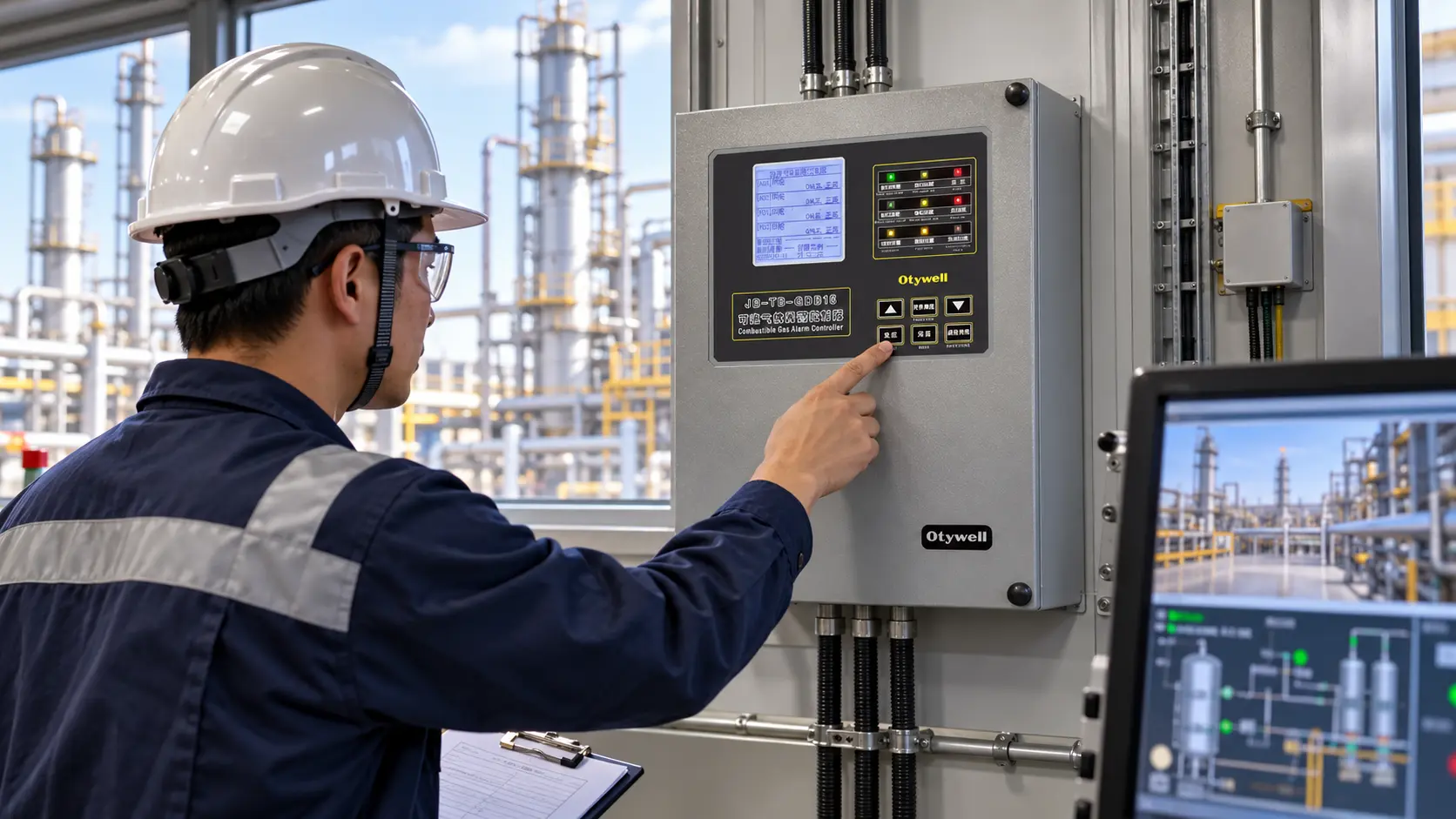
Otywell provides both single gas portable detectors and multi gas portable detectors for different monitoring requirements.
Frequently Asked Questions
What is the main difference between a single gas detector and a multi gas detector?
A single gas detector monitors one selected gas or atmospheric parameter. A multi gas detector monitors several selected gases or parameters at the same time.
Is a multi gas detector safer than a single gas detector?
Not automatically. Safety depends on whether the detector has the correct sensors for the actual hazards.
What gases does a 4-gas detector normally measure?
A common 4-gas configuration measures oxygen, combustible gas or LEL, carbon monoxide and hydrogen sulfide. Other sensor combinations may be required for different industries.
Can one gas detector detect every gas?
No. Each sensor technology is designed for specific gases or groups of gases.
Which gas detector is best for confined spaces?
The correct detector depends on the hazards identified for the confined space. Multi gas detectors are commonly used because oxygen, combustible gas and toxic gas hazards may exist at the same time.
Do multi gas detectors require more calibration?
Multi gas detectors contain several sensor channels, so maintenance and calibration planning can be more involved.
Conclusion
The choice between a single gas detector and a multi gas detector should be based on the real atmospheric hazards in the workplace.
A single gas detector is well suited to clearly identified, stable gas hazards where focused personal monitoring is required. A multi gas detector is more appropriate when several gases may be present, atmospheric conditions can change, or workers need broader monitoring during maintenance, confined-space entry or emergency response.
More sensors do not automatically provide better protection. The correct gas selection, sensing technology, measurement range, sampling method, alarm settings, calibration and work procedure are more important than sensor count alone.
Start with the hazard assessment, identify the gases that matter, and then select the detector configuration that matches the actual task.