
Fixed and portable gas detectors both help identify hazardous gases, but they are designed for different monitoring tasks. A fixed gas detector continuously monitors a selected location, while a portable gas detector moves with a worker or is carried to different measurement points.
Choosing between them depends on where the gas hazard may occur, whether workers move between locations, how continuously the atmosphere must be monitored, and whether the detector needs to communicate with a centralized alarm system.
In many industrial facilities, the correct solution is not fixed or portable detection. The two types are often used together because they protect against different parts of the same gas risk.
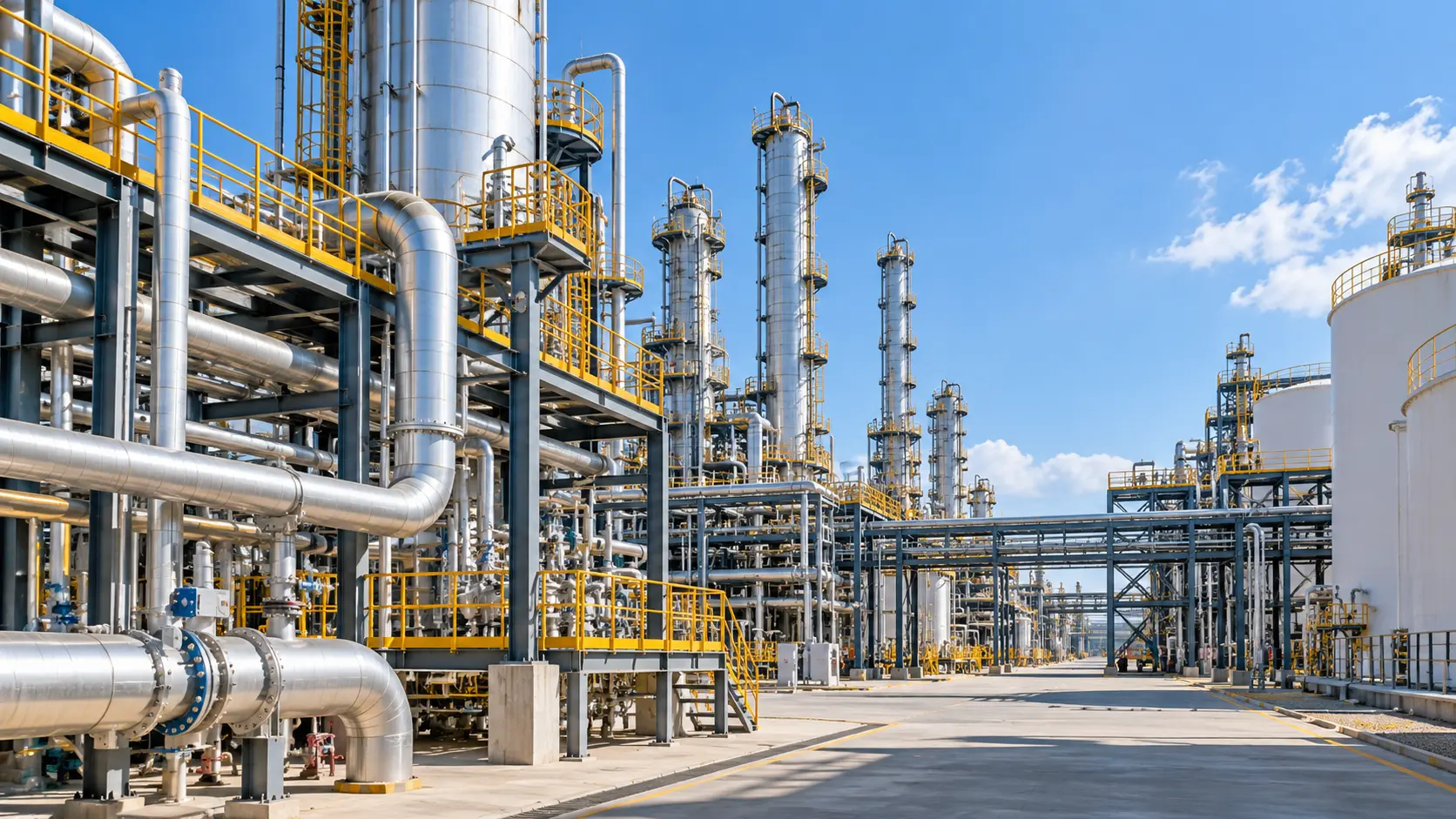
What Is a Fixed Gas Detector?
A fixed gas detector is installed permanently or semi-permanently at a selected monitoring point. It continuously measures the atmosphere around that location and can provide ongoing warning if the target gas reaches a configured alarm level.
Fixed detectors are commonly installed near process equipment, gas storage areas, pipelines, production zones, utility rooms, enclosed process areas and other locations where a gas release may occur.
Depending on the system design, a fixed detector can provide local alarm indication or transmit gas concentration and alarm information to a controller, PLC, DCS or other compatible monitoring system.
Typical Uses of Fixed Gas Detection
- Oil and gas processing areas
- Chemical and petrochemical plants
- Gas storage and distribution facilities
- Boiler rooms and utility areas
- Wastewater treatment facilities
- Industrial production lines
- Underground utility monitoring
- Continuous toxic or combustible gas monitoring
What Is a Portable Gas Detector?
A portable gas detector is designed to be carried by a worker or moved between different monitoring locations. Instead of continuously protecting one fixed point, it provides gas concentration information wherever the user takes the instrument.
Portable instruments may be used for personal protection, inspection, maintenance, confined-space entry, leak investigation or temporary atmospheric monitoring.
Depending on the model and sensor configuration, a portable detector may measure a single gas or several gases at the same time.
Typical Uses of Portable Gas Detection
- Personal gas monitoring
- Maintenance and inspection work
- Confined-space entry
- Pre-entry atmospheric testing
- Tank and vessel inspection
- Temporary work areas
- Emergency response
- Mobile leak investigation
Fixed vs Portable Gas Detectors: Main Differences
| Comparison | Fixed Gas Detector | Portable Gas Detector |
|---|---|---|
| Installation | Installed at a selected monitoring point | Carried by a worker or moved between locations |
| Monitoring Method | Continuous monitoring of a defined area | Personal, mobile or temporary monitoring |
| Typical User | Facility or centralized safety system | Individual worker, technician or inspector |
| Power | Typically connected to a fixed power source or application-specific supply | Normally battery powered |
| Alarm | Local alarm and/or signal to controller | Audible, visual and often vibration alarm |
| Communication | May connect to controllers, PLC or monitoring systems | Primarily local monitoring; some models also support data functions |
| Best Suited For | Known areas requiring continuous coverage | Workers and changing monitoring locations |
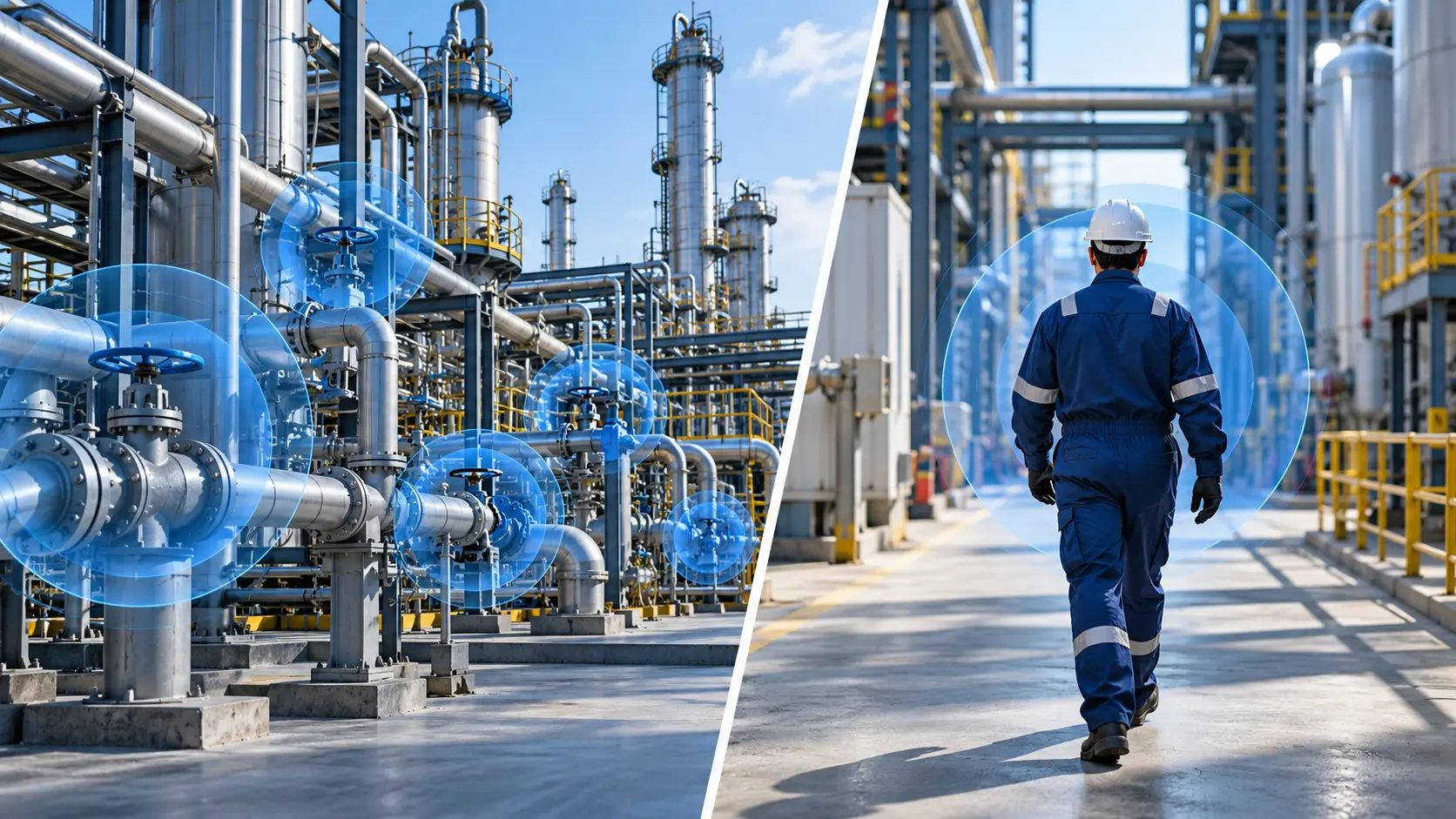
Related Otywell Gas Detection Products
Otywell provides both portable and fixed gas detection equipment for different industrial monitoring requirements. Product selection should be based on the target gas, monitoring location, sensor configuration and system requirements.
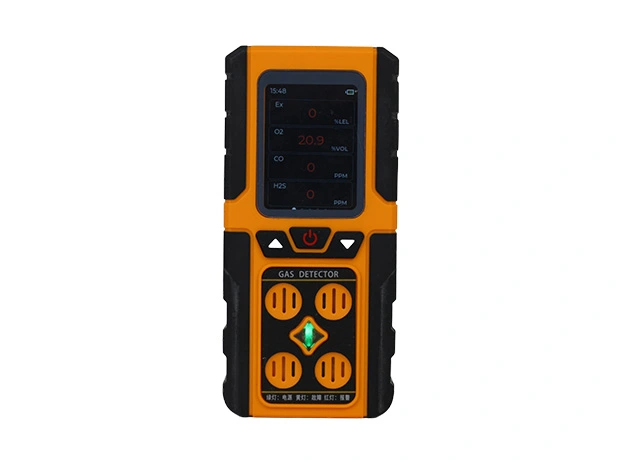
G40S Portable Multi-Gas DetectorThe G40S is designed for portable multi-gas monitoring and can be used for personal protection, inspection and other mobile gas detection applications. |
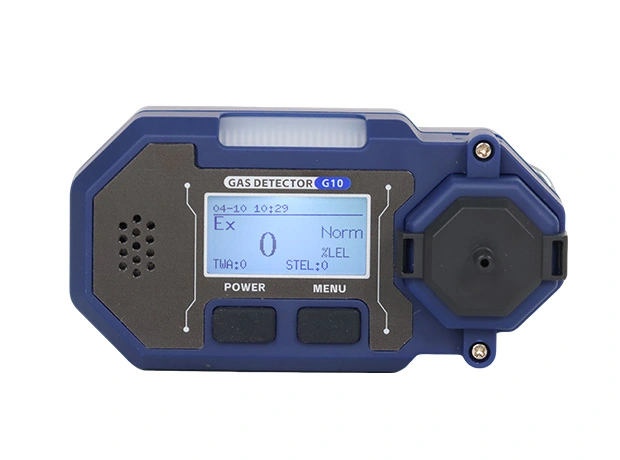
G10 Portable Gas DetectorThe G10 is a compact portable detector intended for personal gas monitoring and mobile industrial safety applications. |
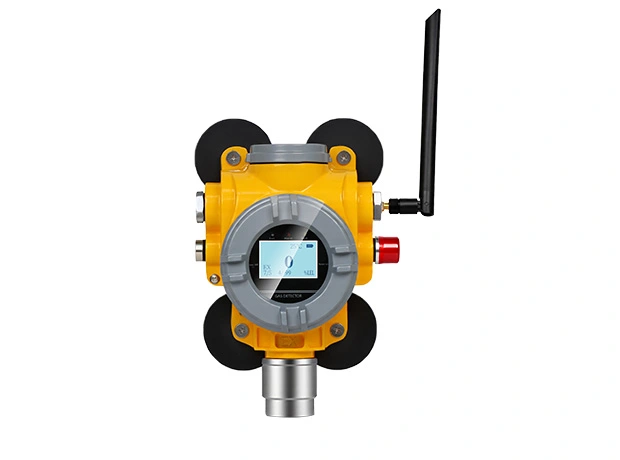
BTYQ-GYQ-TCB2 Fixed Gas DetectorThe BTYQ-GYQ-TCB2 is designed for fixed combustible gas monitoring where continuous monitoring of a selected location is required. |
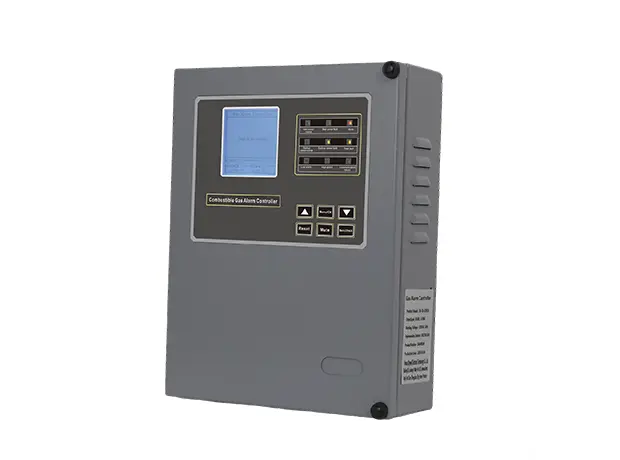
JB-TB-GDB18 Gas Alarm ControllerThe JB-TB-GDB18 is designed for centralized monitoring of compatible fixed gas detector points and provides alarm and system management functions. |
When Should You Use a Fixed Gas Detector?
A fixed gas detection system is generally the better choice when a hazardous gas may appear repeatedly in a predictable area and continuous monitoring is necessary.
Known Gas Release Points
Some processes have identifiable areas where a gas leak is more likely to occur, such as valves, pumps, compressors, gas storage areas, pipelines or process equipment.
Installing fixed detectors near properly assessed monitoring points provides continuous coverage without requiring a worker to manually test the area throughout the day.
24/7 Monitoring
Fixed detectors are suitable when gas hazards must be monitored even when personnel are not actively carrying out inspections.
A correctly designed fixed system can continue monitoring during production, shutdown periods or unattended operating periods, depending on the facility design.
Centralized Alarm Management
One of the main advantages of fixed detection is the ability to integrate detector signals into a centralized gas alarm system.
A controller can receive information from multiple detector locations and help operators identify which monitoring point has entered an alarm or fault condition.
For applications requiring continuous area monitoring, see Otywell fixed gas detection systems.
When Should You Use a Portable Gas Detector?
Portable gas detection is appropriate when the monitoring point changes, workers move through different areas, or the atmosphere must be checked before work begins.
Personal Worker Protection
A portable detector can be worn or carried in the worker’s breathing zone so that the instrument moves with the person throughout the work area.
This makes portable detectors useful when the worker may encounter gas hazards that cannot be adequately represented by one permanent monitoring location.
Confined-Space Testing
Portable gas monitors are widely used during confined-space work because atmospheric conditions can differ from normal open work areas.
In the United States, OSHA requires atmospheric testing of permit-required confined spaces for oxygen content, flammable gases and vapors, and potential toxic air contaminants before entry. The applicable requirements are described in OSHA 29 CFR 1910.146.
Maintenance and Inspection
Maintenance teams often move between equipment, rooms, tanks and process areas. A portable detector gives the worker access to real-time atmospheric information at each location.
Explore Otywell portable multi-gas detectors for mobile monitoring applications.
Which Type Provides Better Worker Protection?
Fixed and portable detectors should not be viewed as competing technologies. They protect workers in different ways.
A fixed detector provides continuous monitoring at the point where it is installed. If gas is released close to the detector and reaches the sensing element, the system can provide an early warning to personnel or a centralized control system.
A portable detector travels with the worker. If that worker enters a location where the atmosphere becomes hazardous, the detector can provide an alarm even when there is no fixed monitoring point immediately nearby.
NIOSH notes that direct-reading technologies can support real-time detection of hazardous conditions and provide immediate alarms when unsafe conditions occur. More information is available from the NIOSH Center for Direct Reading and Sensor Technologies.
Do You Need Both Fixed and Portable Gas Detection?
Many industrial facilities use both fixed and portable gas detection because the two approaches solve different monitoring problems.
For example, fixed detectors may continuously monitor production equipment and known release points, while maintenance personnel carry portable multi-gas detectors when entering process areas, performing inspection work or entering confined spaces.
This layered approach provides two types of coverage:
- Area monitoring: fixed detectors continuously monitor selected locations.
- Personal monitoring: portable detectors remain with individual workers as they move.
The correct combination should be determined by a gas hazard assessment rather than simply installing as many detectors as possible.
Detector Placement Is Critical for Fixed Systems
Installing a fixed detector does not automatically guarantee effective coverage. Detector location must be based on the actual release scenario.
Important considerations include:
- Likely gas release points
- Target gas characteristics
- Air movement and ventilation
- Indoor or outdoor installation
- Process temperature
- Potential obstructions
- Equipment layout
- Maintenance access
A detector located far from a likely release point or in an area with unsuitable airflow may respond later than a detector placed according to the actual hazard assessment.
Sampling Method: Diffusion vs Pump
Portable gas detectors can use different gas sampling approaches.
Diffusion Sampling
With diffusion sampling, surrounding gas naturally reaches the sensor openings. This approach is common for personal gas monitoring because it does not require the detector to continuously operate a sampling pump.
Pump-Suction Sampling
A pump-suction detector actively draws gas through the instrument. This can be useful when the atmosphere must be sampled from a location that should not yet be entered, such as a tank, vessel, pit or other restricted area.
The correct sampling method should be selected according to the work procedure and measurement location.
Fixed and Portable Detector Maintenance
Both fixed and portable gas detectors require regular inspection and maintenance.
Portable Detector Maintenance
Portable instruments may require routine checks of the sensor response, alarm functions, battery condition, gas inlet, pump and calibration status.
Because the detector is carried into different environments, it can also be exposed to dust, water, impact and contamination.
Fixed Detector Maintenance
Fixed detectors require access for inspection, calibration and sensor replacement. Facility operators should ensure that monitoring points remain unobstructed and that the detector has not been damaged or affected by changes to the surrounding process area.
Any maintenance program should follow the instructions and service requirements for the actual detector and sensor configuration.
How to Choose Between Fixed and Portable Gas Detectors
1. Is the Hazard in a Known Location?
If a gas release is expected around a particular process area, continuous fixed monitoring may be appropriate.
If the risk follows workers through different environments, portable monitoring becomes more important.
2. Is Continuous Monitoring Required?
If a location needs continuous monitoring, a fixed gas detector is normally the more suitable foundation for the monitoring system.
3. Are Workers Entering Confined or Changing Work Areas?
If workers regularly enter tanks, pits, rooms, vessels or different production areas, portable detectors can provide atmospheric information directly where the work is taking place.
4. How Many Gases Must Be Detected?
The detector should be configured for the actual hazards. Depending on the application, this may involve combustible gas, oxygen, carbon monoxide, hydrogen sulfide or other toxic gases.
5. Is Centralized Monitoring Required?
If multiple monitoring points must be observed from a control room or safety station, a fixed system with compatible detector signals and a gas alarm controller may be appropriate.
Frequently Asked Questions
What is the main difference between a fixed and portable gas detector?
A fixed gas detector continuously monitors one selected location, while a portable gas detector is carried by a worker or moved between different monitoring points.
Can a portable gas detector replace a fixed gas detector?
Not necessarily. A portable detector only provides monitoring where the instrument is located. If continuous monitoring of a process area is required, a fixed detector may still be necessary.
Can fixed gas detectors protect individual workers?
Fixed detectors can warn workers about hazards in monitored areas, but they do not move with the individual. Portable detectors can provide additional personal monitoring as workers move through a facility.
Which type is better for confined spaces?
Portable gas detectors are commonly used for confined-space atmospheric testing because they can be taken directly to the entry point or used with suitable sampling equipment to test the atmosphere before entry.
Are fixed gas detectors always connected to a controller?
Not every installation is identical. Depending on the detector and system design, a fixed detector may provide local indication, communicate with a gas alarm controller, or interface with another compatible monitoring system.
Should industrial facilities use both types?
Many facilities use both fixed and portable detection because fixed detectors provide continuous area monitoring while portable detectors provide mobile and personal monitoring.
Conclusion
The choice between fixed and portable gas detectors depends on how and where the gas hazard must be monitored.
Use fixed gas detection when a known area requires continuous monitoring and centralized alarm management. Portable gas detection is appropriate when workers need personal protection, move between different locations, perform inspections or test confined spaces.
For many industrial applications, a combined strategy provides broader coverage: fixed detectors continuously monitor critical areas, while portable instruments remain with workers as they move through the site.
Before selecting equipment, identify the target gas, expected concentration range, monitoring location, sampling method, alarm requirements and system communication needs. This helps ensure that the gas detection solution is matched to the actual workplace hazard rather than selected only by product type.