
Electrochemical Gas Sensors: How to Choose the Right One for Industrial Gas Detection
A gas name on a sensor list is a starting point, not a specification. The useful question is whether a particular sensor and detector can measure that gas, in the required range, at the place where the reading matters.
Choose an electrochemical gas sensor by identifying the target gas and monitoring task, checking range and response, reviewing interference from other gases, and confirming environmental conditions and detector compatibility. Finish with a plan to test the complete instrument. A sensor that reacts to several gases does not necessarily measure each one separately.
- Identify the gas and use
- Set range and unit
- Review interference
- Check site conditions
- Verify the detector and test plan
What an electrochemical gas sensor measures—and what it does not
In a typical toxic-gas cell, gas reaches an electrode through a diffusion barrier. A chemical reaction at the sensing electrode produces a small electrical signal that the instrument converts into a concentration reading. The electrode arrangement, electrolyte, filter and electronics are chosen for the intended gas and range. For readers who need the underlying circuit detail, ST’s application note on electrochemical sensors explains the sensing and signal-conditioning stages.
This method is used for many industrial toxic-gas measurements and for certain oxygen-sensing designs. It does not follow that one cell can identify every toxic gas. A carbon monoxide sensor, for example, is selected and calibrated for a different task from a hydrogen sulfide sensor. Both may respond to an interfering gas; the direction and size of that response depend on the specific cell. The instrument’s display cannot identify an unknown mixture merely because a number appears.
Also separate the sensor cell from the complete detector. The cell’s published response and operating limits are only part of the story. The detector adds an enclosure, gas path, power, alarms and sometimes sample tubing or a controller. Those parts affect whether the selected measurement will work at the intended point.
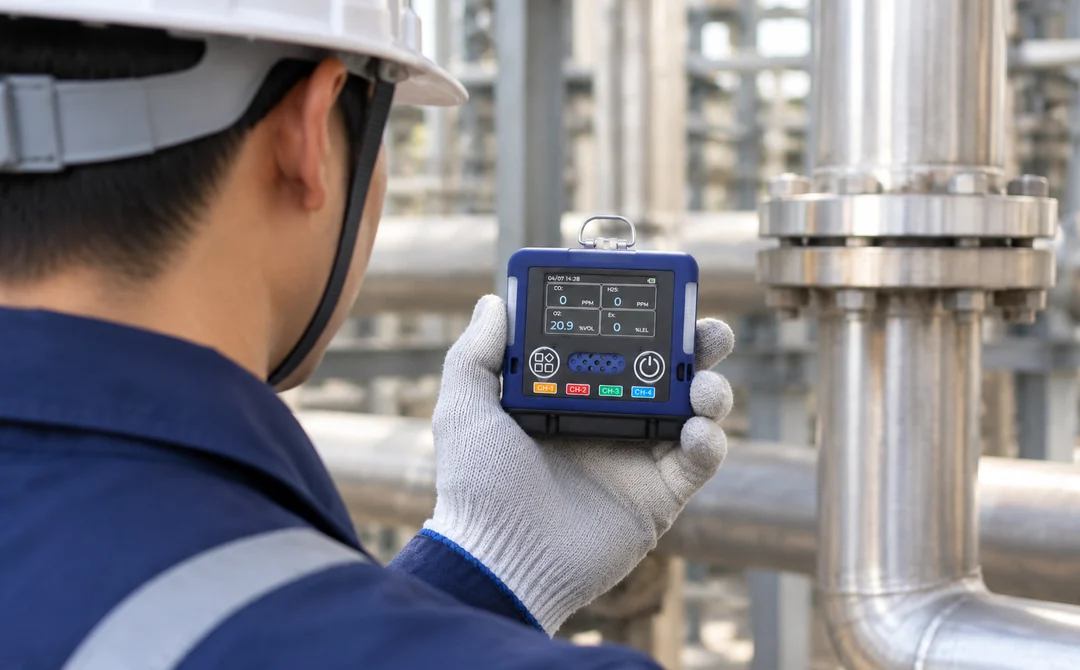
Start with the hazard, not the sensor catalog
Name the gas, the task and the unit
Write down the gas that must be measured before looking at models. Is the purpose to warn a worker who carries a portable instrument, watch a fixed release point, or investigate a suspected leak? Those jobs call for different equipment even if the target gas is the same. Record the expected background concentration, the concentration range that matters for the task, and the unit in which it must be displayed. Toxic-gas readings are often expressed in ppm; oxygen is typically expressed as a percentage by volume. A combustible-gas reading in %LEL answers a different question from a ppm toxic-gas reading.
Do not take an alarm setting from an unrelated product page. A site may use different action levels for different gases, tasks and jurisdictions. The requested measurement range should allow the selected instrument to resolve the concentrations of interest while also accounting for credible higher concentrations. If either end is uncertain, ask for the process information needed to establish it before ordering.
Decide where the reading is needed
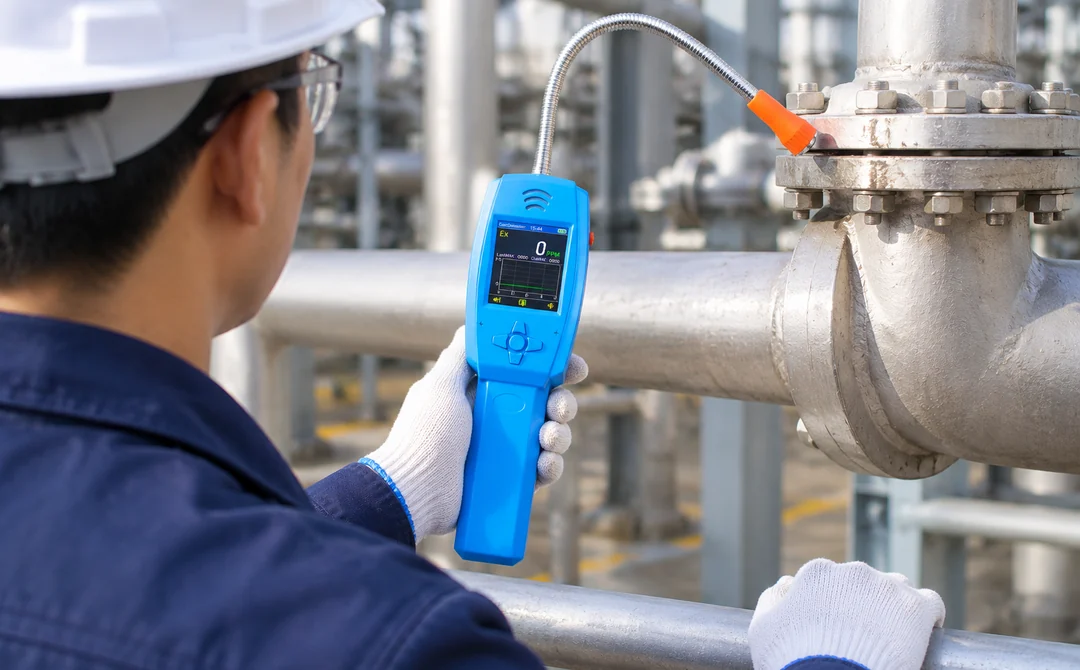
A portable detector travels with its wearer and measures the atmosphere at its inlet. A fixed detector monitors its installed location. Neither description tells you whether a distant valve, a poorly ventilated pocket or a location upstream of the airflow is being measured. Mark the release point and the people or equipment the alarm is meant to protect. Then choose a detector position and sampling method that serve that purpose. A pumped arrangement introduces tubing, flow and travel time; a diffusion instrument measures where it is placed.
| Decision | Information to collect | What to confirm before ordering |
|---|---|---|
| Gas | Target gas and likely coexisting gases | Sensor type and gas-specific interference data |
| Measurement | Normal and credible abnormal concentrations; unit | Range, resolution and applicable accuracy conditions |
| Location | Worker route or fixed monitoring point | Portable or fixed instrument; inlet and sampling method |
| Response | Who needs an alarm and what it must signal | Alarm functions and required output or controller input |
| Environment | Temperature, humidity, condensation, dust and possible splashes | Limits of both sensor and assembled detector |
If the gas itself is unknown, first identify the relevant substances and processes. A reading from one electrochemical cell cannot establish the composition of an unknown atmosphere. Likewise, a long “available gases” list usually describes alternative configurations, not all gases measured by every unit shipped.
Compare sensor specifications before choosing a model
Range, resolution and response time
Start with the target-gas range printed for the exact sensor version. A range that is too narrow may be exceeded during an abnormal event; one that is needlessly broad may not give the resolution needed for a low-concentration task. Check the stated unit, resolution and accuracy conditions together. A bare-cell specification and a detector’s displayed performance may have different test conditions.
Response time deserves the same care. A data sheet may state T90: the time to reach 90% of a specified final response under its test conditions. The installed system can take longer. Gas may have to cross a guard or filter, travel through a tube, or reach a detector through changing airflow. Ask whether the quoted figure describes the cell, the complete instrument or a particular sampling setup. For a pumped instrument, include the sample line in the expected delay.
Cross-sensitivity and the gases present on site
An electrochemical cell may respond to a gas other than its target. That response can raise or lower the indicated value, depending on the sensor and interferent. A label saying “CO sensor” or “H2S sensor” alone does not tell you how it behaves beside other process gases. Give the supplier a list of plausible coexisting gases and their approximate concentrations, then request the interference table for the proposed sensor. Note the test conditions and whether a filter is part of that version.
When an interferent could distort a decision at the required concentration, consider a cell with a suitable filter, a different sensing method, or more than one measurement. A filter is not a general cure: it has a defined purpose and may have its own limits. The point is to decide against the actual gas mixture, rather than assuming that a single-gas label guarantees isolation from everything else.
Temperature, humidity and the route to the cell
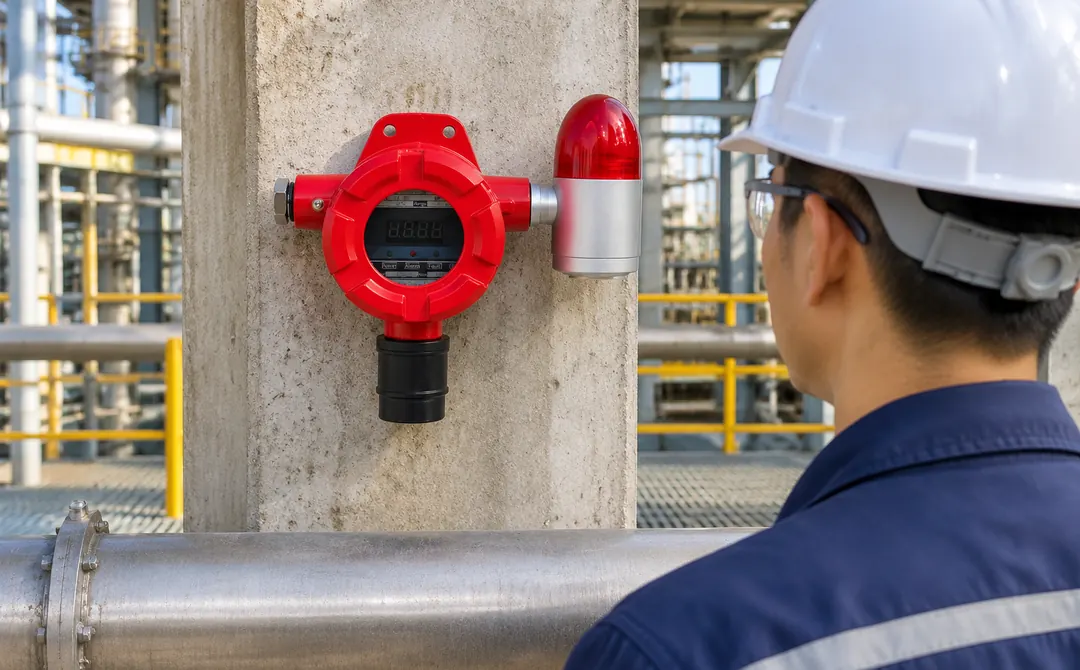
Compare the environment with both the cell specification and the complete detector’s operating range. Temperature can affect sensor output, while very dry or humid conditions, condensation, dust or liquids can affect the gas path or the cell. A wet filter or blocked inlet can slow the arrival of gas even when the electronics report a healthy sensor. For an installation with tubing, consider where moisture or contamination could collect and how the route will be inspected.
| Data-sheet item | Why it matters | Question to ask |
|---|---|---|
| Target gas and range | Defines what the cell is intended to measure | Is this the range of the ordered configuration? |
| Response time | Affects how quickly a changing atmosphere is shown | Cell test or complete detector, and under which conditions? |
| Interference table | Shows possible response to other gases | Does it cover the gases present here and the fitted filter? |
| Operating environment | Sets temperature and humidity limits | Are both sensor and enclosure suitable at this point? |
| Test and service information | Determines how performance will be checked | Which gas, accessories and replacement parts apply? |
If the proposed version has no information for the target gas, range or relevant interferents, hold the model decision until those details are supplied. A generic brochure cannot resolve a gas-specific specification gap.
Otywell equipment to match to the task
These are examples of different detector roles, not interchangeable sensor specifications. Confirm the gas, range and fitted sensing method for the unit being ordered.
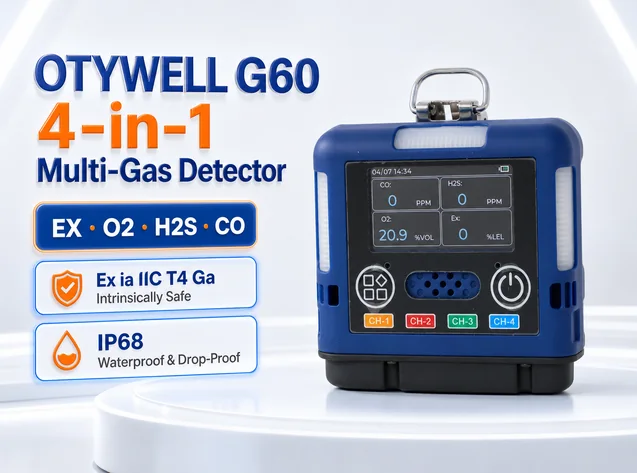 Portable multi-gas
G60 Multi-Gas Detector
The G60 page lists configurable single- or multi-gas use and electrochemical and catalytic sensing principles. Confirm the selected gas combination and ranges.
View G60 details →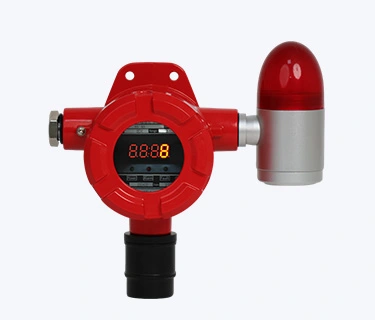 Fixed monitoring
GTYQ-TCB6 Gas Detection Alarm
The fixed detector page lists electrochemical among its available sensing principles. Specify the target gas, range and output for the installation.
View TCB6 details →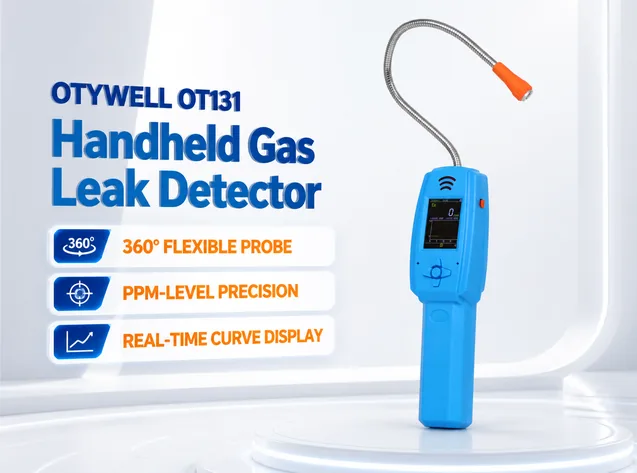
When another sensing method may be a better fit
The target gas determines which sensing methods belong on the shortlist. A combustible-gas task commonly calls for a method and scale suited to flammability, such as a catalytic or infrared configuration where appropriate. An oxygen task calls for a sensor and instrument specified for oxygen concentration. Those are distinct from a CO or H₂S toxic-gas channel, even if they appear in the same multi-gas detector.
The South Coast AQMD overview of sensor operating principles describes how different sensing methods answer different measurement questions. For procurement, the useful comparison is narrower: which method measures the named gas in the required range under the site’s conditions? A general VOC indication, for example, is not automatically a gas-specific concentration for one compound in a mixture.
| Monitoring question | Electrochemical route | Further check |
|---|---|---|
| Specific toxic gas, such as CO or H₂S | Often a candidate when a matching cell is available | Exact gas, range, interferents and site conditions |
| Oxygen concentration | Consider a dedicated oxygen sensor design | Oxygen range, operating conditions and detector configuration |
| Combustible gas in %LEL | Do not assume a toxic-gas cell serves this task | Compare the specified combustible-gas sensing methods |
| Unspecified VOC mixture | No single generic response establishes each compound | Define the compounds or measurement objective first |
Check the complete detector, not only the sensor cell
Match the cell to the host and alarm path
A compatible gas cell still needs suitable electronics, a defined gas inlet, an enclosure and a display or output that makes its reading useful. For a fixed installation, specify what the controller receives and what should happen at an alarm or fault. For a portable unit, confirm the fitted channels, alarm indications and operating instructions for that version. Check any required site approval against the exact ordered device; a general product-family description is not a certificate for every configuration.
This matters especially with configurable detectors. A page may list multiple sensing principles and a broad selection of gases. Those options do not mean that one delivered unit contains every sensor on the list. Ask for an order specification showing the chosen sensor, gas, range, alarm configuration and any accessory that changes the gas path.
Plan gas testing, calibration and replacement
A self-check can report certain electronic or sensor faults, but it may not show that gas can still reach the cell through a dirty or blocked inlet. Test the complete detector with the specified gas and accessories in accordance with its instructions. For portable monitors, OSHA’s guide to gas-monitor testing distinguishes a function check from a calibration check and full calibration. A replacement cell may require its own setup. Keep the exact sensor version and maintenance instructions with the instrument record.
There is no useful universal service interval for every electrochemical cell. Exposure, humidity, storage and the specific design all matter. Use the manufacturer’s instructions and the site’s applicable testing procedure to set and review the schedule. If a detector fails a gas-response check, investigate the inlet, filter, sampling path and sensor as well as the electronics before returning it to use.
What to send with a sensor enquiry
Provide the target gas, required range and unit, expected coexisting gases, monitoring location, portable or fixed use, temperature and humidity, sampling arrangement, required alarm or control output, and quantity. If an existing detector or controller is involved, include its exact model and version. These details make it possible to check a real configuration instead of quoting from a generic gas list.
Frequently asked questions
Can one electrochemical gas sensor detect several toxic gases?
It may respond to more than one gas, but that is not the same as measuring each gas separately. Use a sensor specified for the target gas and check its interference table. A multi-gas detector uses the sensor configuration selected for its individual channels.
Which specifications matter most for a CO or H₂S sensor?
Start with the exact target gas, range and resolution. Then check response conditions, cross-sensitivity, operating temperature and humidity, and compatibility with the intended detector. Compare data for the proposed version, not just the product family.
How can cross-sensitivity affect an alarm?
An interfering gas may push the indicated concentration up or down. The result depends on the gas pair and sensor design. Compare the site’s likely interferents with the supplier’s data before deciding whether a filter, another cell or another measurement method is needed.
Can an electrochemical sensor measure oxygen deficiency?
Some oxygen sensors use electrochemical principles, but an oxygen channel must be specified for oxygen measurement. A CO or H₂S toxic-gas cell is not an oxygen sensor. Confirm the oxygen range and the complete detector configuration.
When is an electrochemical sensor a poor fit?
It may be unsuitable when no cell is specified for the target gas and range, interfering gases would compromise the reading, or the site conditions exceed the sensor or detector limits. A combustible-gas or broad VOC task may call for a different sensing method.
Does the complete gas detector need testing and calibration?
Yes, follow the instructions for the exact detector and its site procedure. A gas-response test checks whether the assembled instrument responds through its actual gas path. Calibration and sensor replacement are separate tasks with their own instructions.
What information should I provide when requesting a sensor configuration?
Send the target gas, concentration range and unit, expected coexisting gases, environment, sampling method, detector model if one already exists, and required alarm or output. For a fixed point, include the intended monitoring location and controller interface.