
An H2S personal monitor travels with a worker and warns of hydrogen sulfide in the air reaching its inlet. For a useful warning, the ordered instrument must have an H2S channel suited to the job, pass its required checks, and be worn near the breathing zone with the inlet clear. The familiar rotten-egg smell is no substitute: the sense of smell can quickly become fatigued in H2S.
In brief: Identify every credible gas hazard before choosing a single-gas or multi-gas model. Choose diffusion sampling for air around the wearer and a suitable pumped arrangement when a remote point must be tested. Verify gas response and alarms as the manufacturer and site procedure require. When an alarm sounds, use the site’s escape and notification procedure.
What a personal H2S monitor can and cannot cover
Warning at the worker’s breathing zone
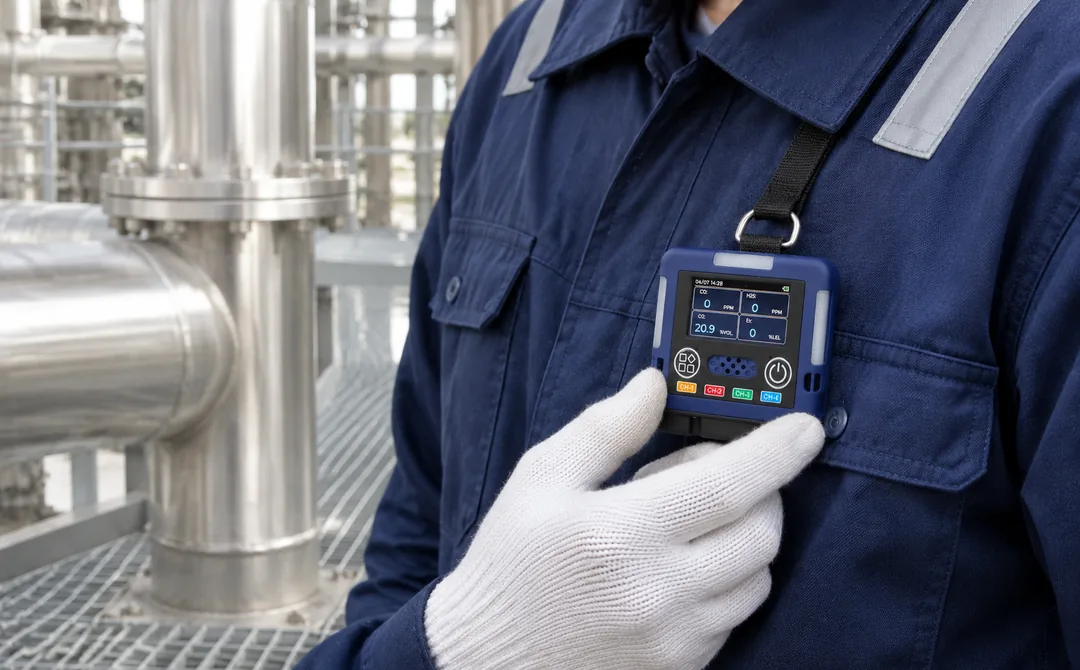
A wearable monitor samples the atmosphere at its own inlet. Clipped near the collar or upper chest, it can warn the person moving through a work area when H2S reaches the instrument. It is especially useful where conditions may change as someone walks between equipment, opens a process connection, or works near a low-lying area. A reading on one worker does not establish the concentration at every other location.
H2S is colorless, and odor is an unreliable warning. The NIOSH Pocket Guide for hydrogen sulfide notes rapid olfactory fatigue. Its occupational exposure figures and the 100 ppm IDLH value describe different health and regulatory concepts; neither is a universal personal-monitor alarm setting.
Personal, area and pre-entry measurements answer different questions
| Monitoring method | Where it samples | Question it answers | Limit to remember |
|---|---|---|---|
| Wearable diffusion monitor | At the inlet on the worker | What is happening in air near this person now? | It does not sample a distant pit or tank bottom. |
| Fixed or placed area detector | At its installed or placed point | Has gas reached this area or equipment location? | Its reading may differ from air around a moving worker. |
| Pumped pre-entry instrument | At the end of a suitable probe or tube | What is the atmosphere at a selected remote point? | Probe reach, gas path, sample time and point selection matter. |
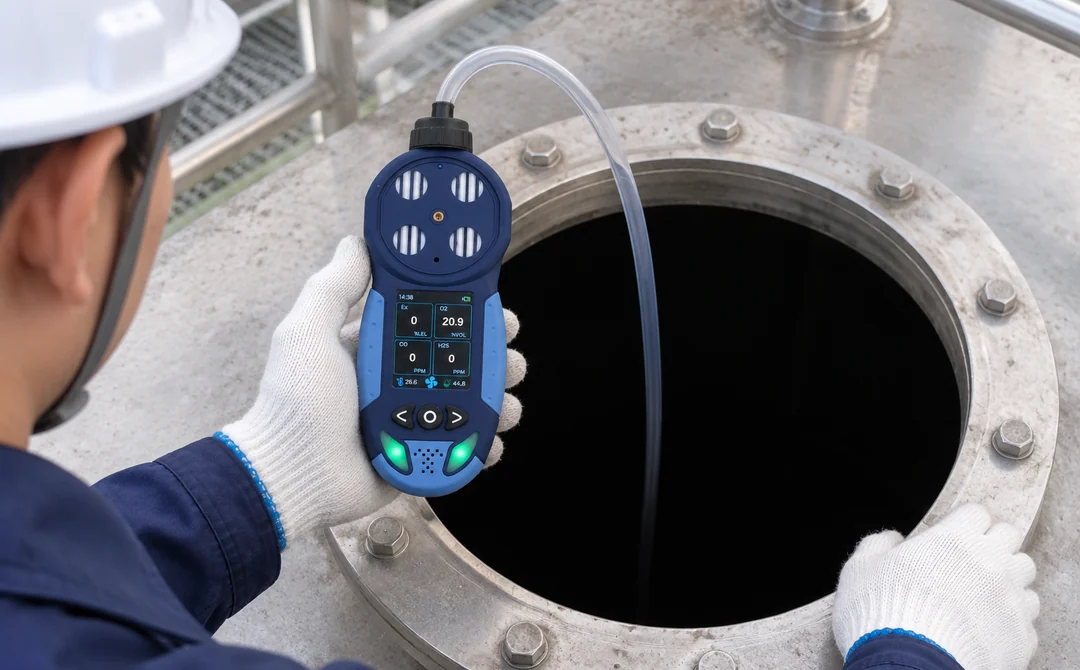
A fixed system and personal instruments can work together because they sample different places. For a pit, vessel or other confined space, an instrument worn outside the opening cannot measure the interior merely because it is switched on. The separate confined-space gas detection guide covers remote sampling and monitoring during entry in more detail.
Choose the gas channels and sampling method for the job
When a single-gas H2S monitor fits
A single-gas unit can keep the personal alarm task simple when the exposure question is specifically H2S and other atmospheric hazards are addressed by the work plan. Check the actual H2S measuring range and alarm functions; the words “single gas” do not identify the installed sensor. A contractor moving among sites may need a different configuration from a worker at one known process unit.
When the job calls for more than H2S
Wastewater works, utility chambers and oil-and-gas maintenance can also present oxygen, combustible-gas or other toxic-gas questions. A multi-gas housing only measures channels fitted to the ordered unit. Ask for the sensor list in the quotation and compare it with the gases named in the job assessment. Oxygen is usually displayed in %VOL, combustible gas in %LEL, and H2S in ppm. These units cannot be substituted for one another.
Diffusion on the worker; pumped sampling at a remote point
Diffusion equipment relies on surrounding air reaching the detector inlet, which suits continuous personal monitoring. A pumped instrument draws a sample from a specified point through an appropriate probe and tube. For pre-entry testing, the sample point may be below or beyond an opening while the tester remains outside. The probe, tube, filter and time needed for the sample to reach the sensor must match the intended test. A personal monitor can continue to serve the entrant during work, but its reading starts at the wearer’s location.
| Known job condition | Personal channels to discuss | Sampling for the stated task | Additional decision |
|---|---|---|---|
| Identified H2S exposure during routine rounds | H2S | Diffusion near the breathing zone | Confirm whether area detection is needed at release points. |
| H2S plus oxygen or combustible-gas risk | H2S and the other identified channels | Diffusion during work | Confirm exact sensor combination and alarm plan. |
| Atmosphere inside a chamber before entry | Channels named for that space | Appropriate remote pumped sampling | Define sample locations and the entry procedure separately. |
| Unidentified possible contaminants | Do not assume a standard four-gas set is complete | Define substances and measurement task first | Obtain the required sensor or method before specifying equipment. |
Check specifications that change field use
Start the comparison with the H2S range and resolution required for the job. A broad range may be listed among a manufacturer’s options, but the delivered sensor and settings are what matter. Ask whether the display shows live ppm, whether the device records peaks or events, and whether the selected version supports the low, high, TWA or STEL functions your procedure calls for. A feature shown for a product family may not be present in every order.
Consider how a worker will notice an alarm while wearing hearing protection, gloves or other PPE. Audible, visible and vibrating alerts serve different conditions. Also check a clear fault indication, battery status, inlet access, clip position, charging or battery replacement, and whether the instrument’s housing and documented approval fit the intended area. An IP rating describes ingress protection; it is not an explosion-protection approval.
Keep exposure limits separate from instrument settings. The NIOSH recommended ceiling, the US OSHA permissible exposure provision, the IDLH value, and a site’s low or high alarm point answer different questions. A procurement sheet should state who sets the alarm points for the applicable workplace and how those settings will be checked before deployment.
| Ask the supplier for | Why it belongs in the order |
|---|---|
| Fitted gases, H2S range and resolution | Confirms what the delivered unit will actually measure. |
| Sampling version and accessories | Separates wearable diffusion from remote pumped work. |
| Alarm modes and setpoint access | Allows the site to implement its documented response plan. |
| Runtime for the specified configuration | Checks coverage against the full shift and charging cycle. |
| Test gas, bump-test and calibration instructions | Defines how response will be verified and maintained. |
| Relevant approval documents | Allows review of the exact instrument for the intended area. |
Otywell configurations to discuss for H2S work
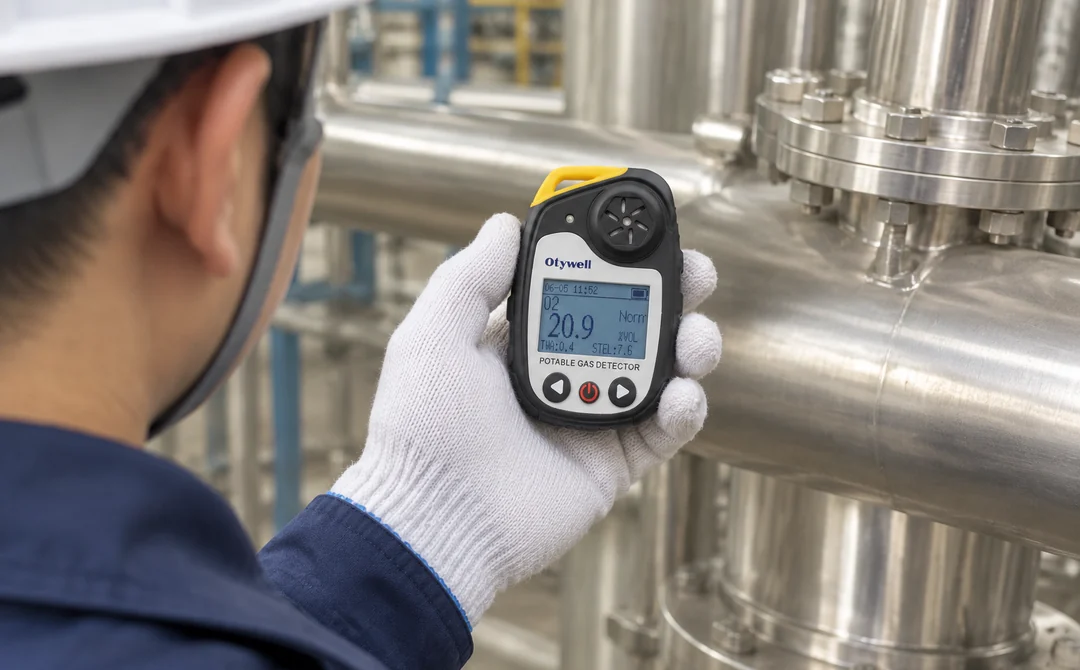
These product families list H2S among their configuration options. Specify the fitted sensor, range, sampling version and required functions in the quotation. The cards below identify a useful starting point for that discussion, not a promise that every variant contains H2S.
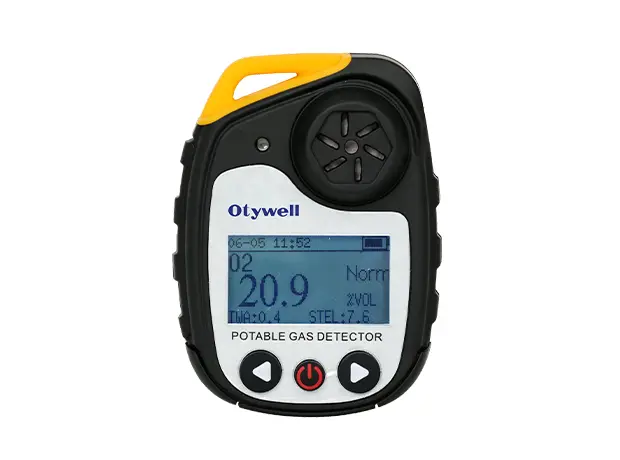 Single-gas option
G10S
Natural-diffusion personal detector. Specify the H2S sensor and range for the ordered unit.
View G10S details →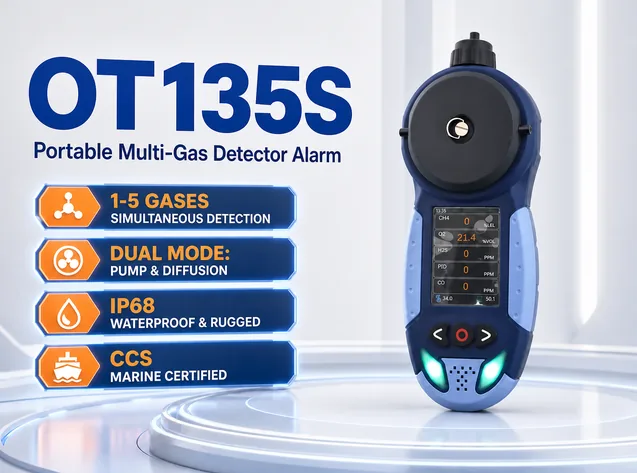 Sampling choice
OT135S
Configurable 1–4 gas family. Confirm diffusion for wearing or the pumped version for remote checks.
View OT135S details →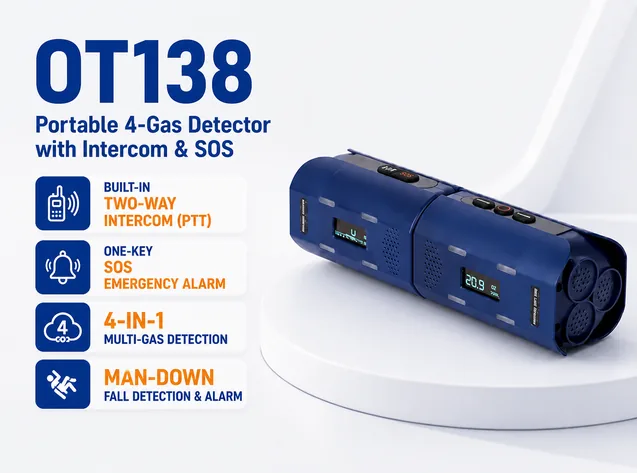 Team communication
OT138
Natural-diffusion multi-gas family with local alarms, intercom and SOS. Confirm H2S and communications setup.
View OT138 details → Multi-gas option
G60
Natural-diffusion portable family with local alarms and records. Confirm the H2S channel and exact gas count.
View G60 details →Before every shift: check the monitor as a complete instrument
Inspect what gas has to pass through
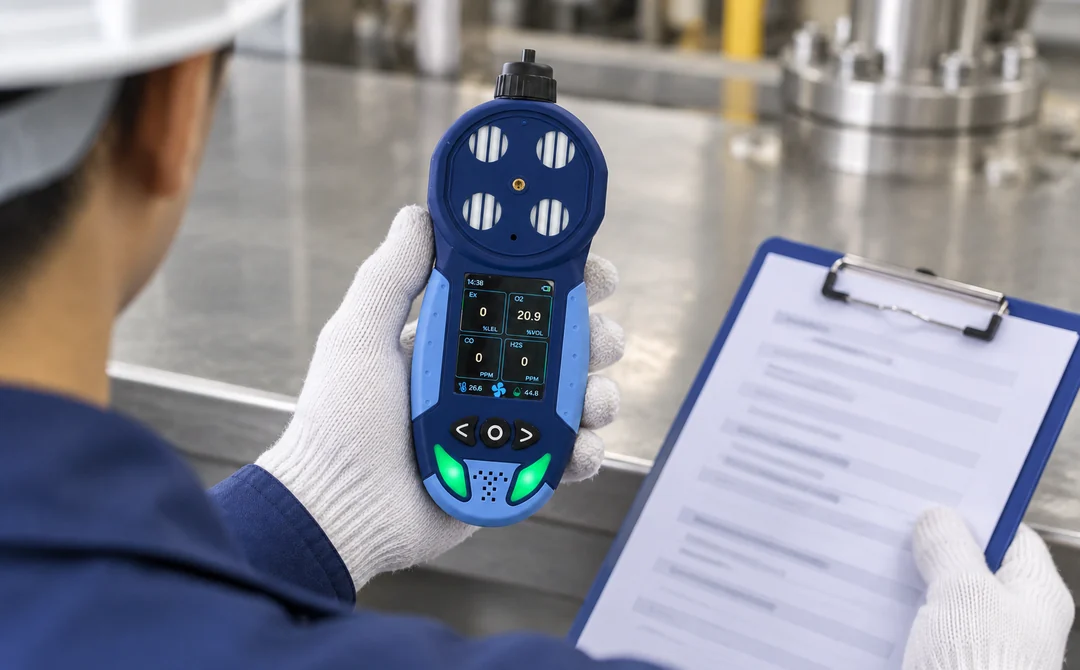
Look at the case, clip, inlet and any filter. A monitor with a blocked inlet may power up and show a normal-looking display while gas fails to reach the sensor. Check charge or battery status, startup messages, date and time if the device uses recorded events, and any fault indication. Make sure the clip holds the instrument in the intended position without covering the inlet.
Verify gas response and alarms
Follow the instructions for the exact model and the site’s testing schedule. A bump or functional test exposes the instrument to a specified test gas to verify a response and the intended alarms; a calibration check and full calibration are different procedures. OSHA’s bulletin on direct-reading monitors recommends checking operational capability before each day’s use and following manufacturer instructions. Check the test gas identity, concentration and expiry date, as well as the regulator and test cap required for that instrument.
A startup self-check can reveal some internal faults. It does not prove that H2S can pass through the inlet and trigger the alarm. Likewise, a clean-air zero reading does not prove gas response. If the instrument fails the prescribed test, remove it from use, record the result and arrange the corrective action specified by the manufacturer. Restore it to service only after the required check passes.
- Inspect case, inlet, clip and power.
- Check calibration status and settings.
- Apply the prescribed gas-response test.
- Pass: issue for use. Fail: remove, record and correct.
A short record should identify the unit, date, test gas, outcome and action taken. That makes a failed unit traceable across shift handovers instead of leaving the next worker to discover the same problem.
Wear it where you breathe, and know the alarm action
Keep the inlet near the breathing zone
Attach the monitor at the collar, lapel or upper chest where its inlet remains exposed. Avoid a pocket, a position under a jacket, or a tool belt if that placement moves the inlet away from the air being breathed or hides the warning. Check the actual arrangement with the worker’s PPE. In its oil-and-gas H2S guidance, OSHA advises wearing personal monitors as close as possible to the breathing zone and using personal and area monitoring where H2S may occur.
The detector is one part of an alarm path. Workers need to know the sound and light pattern, where to leave, how to alert nearby people, and who receives the report. A connected unit may add a remote notification, but a device with local alarm functions should not be described as a remote dispatch system unless that function is included and commissioned in the actual deployment.
Respond to the alarm, then preserve the evidence
When the H2S alarm sounds, follow the site’s escape route and notification procedure. Move away from the suspected release, alert others as specified, and do not treat a quiet display after moving as permission to re-enter. The site procedure determines who assesses conditions and authorizes a return. An unplanned rescue into an unknown H2S atmosphere can expose the rescuer as well; OSHA specifically addresses rescue preparedness in its H2S guidance.
After the event, retain the recorded reading or alarm event if the model provides one. Note the location, time, work activity and any known process change. Inspect or retest the instrument as the manufacturer requires after a high exposure, impact or suspected contamination. The record helps the team separate an atmospheric alarm from a device fault without guessing after the shift.
Procurement and rollout checklist
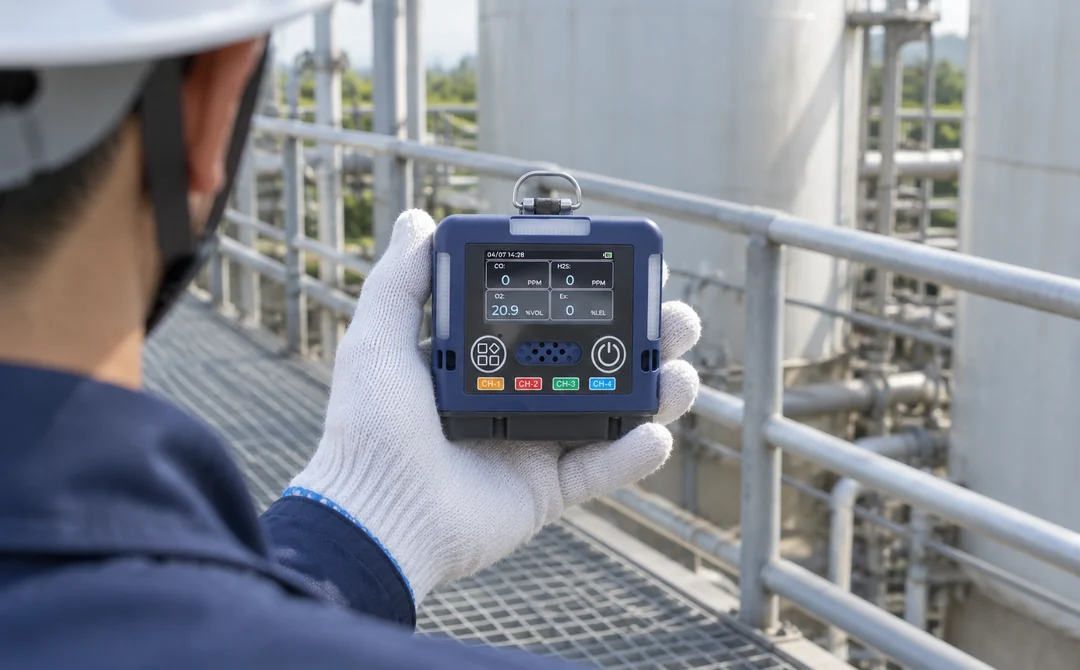
Before requesting a quotation, turn the job description into an instrument specification. This is more useful than asking for a generic “H2S detector,” because the same catalog may contain personal, pumped and fixed equipment with different duties.
- List work locations, tasks and identified gases, including changes during maintenance.
- State the required H2S range and any oxygen, combustible or other gas channels.
- Name the use: personal diffusion monitoring, remote pre-entry sampling, or both with separate configurations.
- Set out the site’s alarm and notification sequence, including who may change setpoints.
- Check wearing position with the PPE used on that job.
- Specify test gas, accessories, calibration process and records.
- Request runtime and approval documents for the exact ordered version.
- Include worker training, spare instruments and failed-unit handling in the rollout.
Send Otywell the job details: target gases, H2S measuring range, intended sampling method, number of users, shift length, work environment and required alarm or communication functions. Ask for the configured sensor list and maintenance materials with the quotation.
Frequently asked questions
Where should a personal H2S monitor be worn?
Wear it near the breathing zone, commonly at the collar, lapel or upper chest, with the inlet exposed. Confirm the precise attachment against the instrument instructions and the PPE worn on the job. A covered inlet may not sample the air the worker is breathing.
Is a single-gas H2S monitor enough for a confined space?
Only if the work’s atmospheric hazards and monitoring tasks actually call for that channel alone. A space may also require oxygen, combustible-gas or other toxic-gas measurements and remote testing before entry. The personal unit measures air at its own inlet during use.
Does an H2S monitor need a bump test before use?
Use the manufacturer’s procedure and the site’s schedule to verify gas response and alarms. OSHA recommends checking a direct-reading monitor’s operational capability before each day’s use. A power-on check or zero display does not establish that the gas path and alarms work.
Can a fixed H2S detector replace a personal monitor?
They measure different locations. A fixed detector watches its installed point; a personal detector moves with the worker. A site may use both when it needs warning at equipment locations and near people.
What alarm setting should an H2S personal monitor use?
Use the setpoints specified for the applicable workplace and documented site response plan, then confirm them on the delivered instrument. Exposure limits and the NIOSH IDLH value are not interchangeable with a universal low or high alarm setting.
What should a worker do when the monitor alarms?
Follow the site’s escape and notification procedure, alert others as directed and keep out until the site authorizes a return. Record the event and inspect or test the instrument if the manufacturer’s instructions call for it.
Can workers rely on the rotten-egg smell instead?
No. NIOSH states that the sense of smell rapidly fatigues and cannot reliably warn of continuing H2S. Use an appropriate instrument and the site’s monitoring procedure.