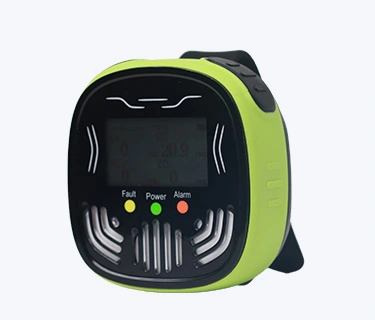
Technical Specifications
| Specification |
Value |
| Method of Detection |
TDLAS |
| Detection Target |
Methane (CH4) |
| Stationary Detection Limit |
5 ppm·m |
| Detection Laser |
Class IIIR |
| Response Time |
0.1s |
| Operating Temperature |
-20 ~ 50℃ |
| Sampling Rate |
500KHz |
| Operating Humidity |
<90% RH, no condensation |
| Detection Concentration Range |
0 ~ 50,000 ppm·m or 0 ~ 100,000ppm.m |
| Size |
160x150x130mm |
| Max Detection Distance |
100m |
| Weight |
682g |
How It Works
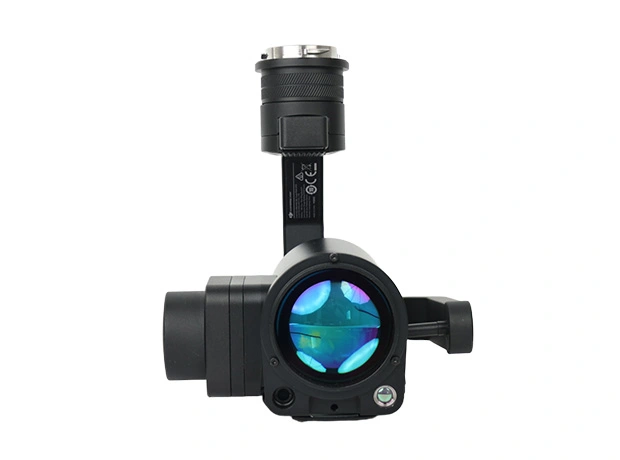
The detector applies laser spectroscopy: it emits a laser beam toward the target area and analyses the reflected signal to measure methane concentration in real time. With high sensitivity, high resolution and strong immunity to interference, it accurately identifies methane leak sources in complex environments.
Detection Principle Diagram
The UAV-mounted sensor transmits the measured concentration to the remote controller for display. When an alarm is triggered, the UAV takes a photo and records the GPS coordinates; the image is saved on the remote controller, and the data can then be exported from the controller.
Inspection Solutions
The UAV-based laser methane leakage detector is widely used for urban gas network inspection and similar applications. Conventional gas inspection methods leave blind spots — for example, in-home safety checks that cannot be accessed, above-ground pipeline facilities in built-up areas, and medium- and high-pressure pipelines in suburban areas. The UAV-based detector closes these gaps: with simple configuration it performs autonomous inspection, and for areas with irregular flight paths it also supports manual inspection, adding flexibility and adaptability.
Typical inspection solutions combine the flexibility of UAVs with the efficiency of laser methane detection, delivering safe, fast and accurate inspection of natural gas pipelines and related facilities.